Industrial Product Design insights and guides

We explore key aspects of Industrial Design and Product Development, addressing some of the most frequently asked questions and providing insights into the processes, ideas, and considerations behind them.

  • Industrial Product Design Services
  • Ticker Image
  • New Product Design
  • Ticker Image
  • 3D CAD Design
  • Ticker Image
  • CAD Drawings
  • Ticker Image
  • Product Rendering
  • Ticker Image
  • Reverse Engineering
  • Ticker Image
  • Soft Goods & Textile Design
  • Ticker Image
  • DFM
  • Ticker Image
  • Rapid Prototyping
  • Ticker Image
  • Custom Product Design
  • Ticker Image
  • Mechanical Design
  • Ticker Image
  • Engineering Design
  • Ticker Image
  • 3D Modeling
  • Ticker Image

OUR DESIGN
PROCESS

Your brief is the starting point. We want to understand the product you have in mind, who it’s for, what it has to do, what it can’t cost to make, and where the hard constraints sit.


From the first call you speak directly with the engineer or designer leading your project. No account managers, no relayed briefs. We ask a lot of questions before committing to a direction, because the brief is the most important document in a product project.

Before we put pen to paper, we research the market your product sits in: how competitors have approached the same problem, where they fell short, what users are actually asking for, and what manufacturing constraints apply to the category.


For new categories or hard technical problems, this stage also means benchmarking components, materials and processes, so our design decisions are grounded in what’s actually achievable.

This is concept development, and we produce several directions, not one. Each comes with initial CAD exploration, early 3D visualisations and a clear rationale.


You review the draft , we discuss, you choose a direction to develop and we move towards further detailing the design. 

The chosen concept gets built into detailed engineering CAD. We model every component, interface and assembly. Wall thicknesses are checked for the manufacturing process, snap-fits and fasteners are designed to spec, and tolerances are set for production, not just for prototyping.


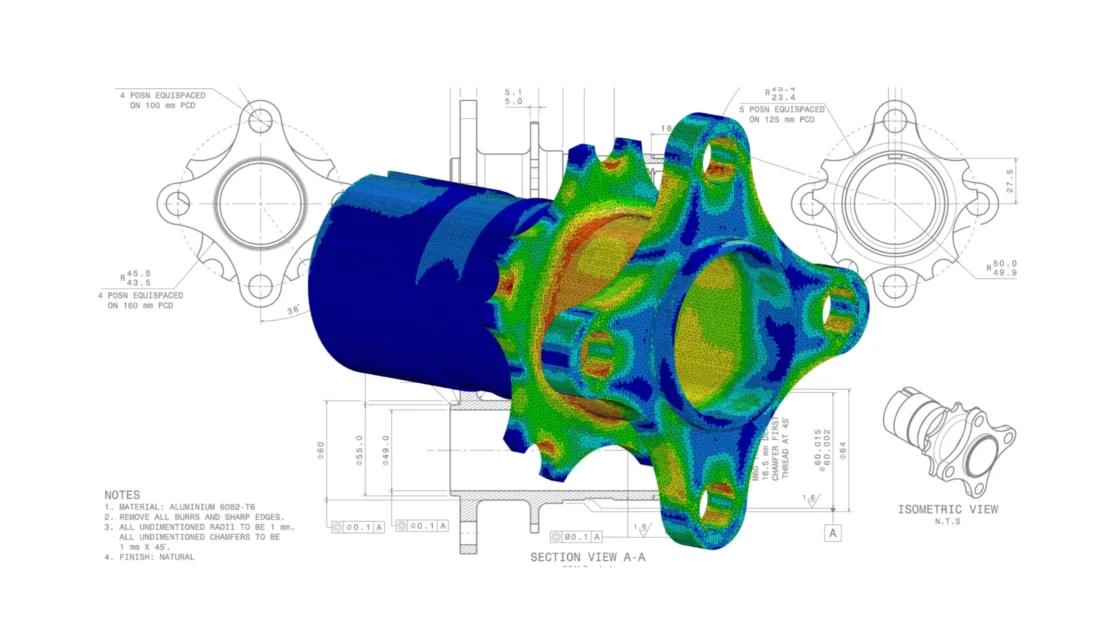
This is also where FEA, DFM review and CMF decisions get resolved. A problem found here costs an afternoon of engineer time. The same problem found after tooling costs far more.

When the CAD is signed off and the design is manufacture-ready, we prepare a full production package: detailed drawings, BOM, material specs and supplier-ready files. We work with Australian and international manufacturers depending on volume, cost targets and lead times.


We stay involved through tooling, first-article inspection and initial production runs. You get the product in hand, not just the files.

Once your product is in production, we stay available. That might be design updates from early customer feedback, cost-reduction changes before a second run, or tooling tweaks to fix a manufacturing issue.


Product development doesn’t end at launch. Markets shift, costs change, and products need iteration. We handle that alongside you.

FAQ

Frequently asked questions about industrial design

An industrial design studio takes a physical product from idea to manufacture. At Oxta Design that covers concept design, mechanical engineering, 3D CAD modelling, prototyping, design for manufacture and production drawings, all under one roof in Sydney. You can engage the studio for a single stage or the full journey.

Nine core services: industrial design and concept ideation, new product development, mechanical engineering and 3D CAD design, soft goods and textile design, mechanical drafting and CAD drawings, reverse engineering, design for manufacture, product rendering and visualisation, and rapid prototyping. Together they cover custom product design from first sketch to production.

Industrial design shapes the product people see and use: form, ergonomics, materials and usability. Mechanical design, sometimes called engineering design, makes it work and makes it manufacturable: mechanisms, tolerances, wall thicknesses and assembly. At Oxta both happen at the same desk, which is why our concepts survive contact with the factory.

Discovery and research work starts around $2,500. A concept development phase typically runs $1,500 to $10,000 depending on project size, and a full engagement from research through to a production-ready package usually lands between $8,000 and $25,000 or more. Every project gets a fixed quote after one briefing call, and our Pricing page lists indicative ranges for every phase.

A focused engagement such as industrial design through to CAD typically runs 6 to 12 weeks. Full end-to-end development from concept to production-ready files usually takes 3 to 12 months depending on complexity. We give you a detailed timeline at the start of every project.

Yes. Many clients come to us just for 3D modelling, CAD design or 2D CAD drawings. We model in SolidWorks and detail every drawing to AS 1100, so any Australian workshop or overseas factory can build directly from the files.

Yes. Our product rendering service produces photorealistic stills, 360 turntables and lifestyle scenes from your CAD or ours. Founders use them for investor pitches, crowdfunding pages and ecommerce listings, often before the first unit is manufactured.

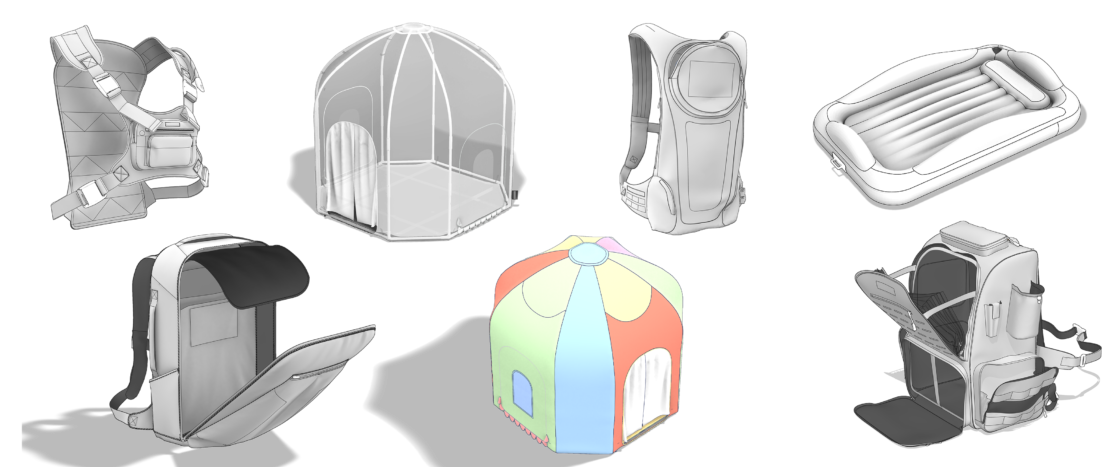
Yes. Soft goods and textile design is one of our core services, covering bags, cases, baby products, pet products and wearables. We design and pattern in CLO 3D, which lets us test fit and construction digitally before any material is cut.

Mainly SolidWorks for engineering and 3D CAD, KeyShot for rendering and visualisation, and CLO 3D for soft goods and textile work, which lets us test patterns, fit and material behaviour digitally before cutting a sample.

You do. Once the project is fully paid, all designs, CAD files, drawings and documentation belong entirely to you. We sign NDAs before any project discussion begins and keep no rights to client work.

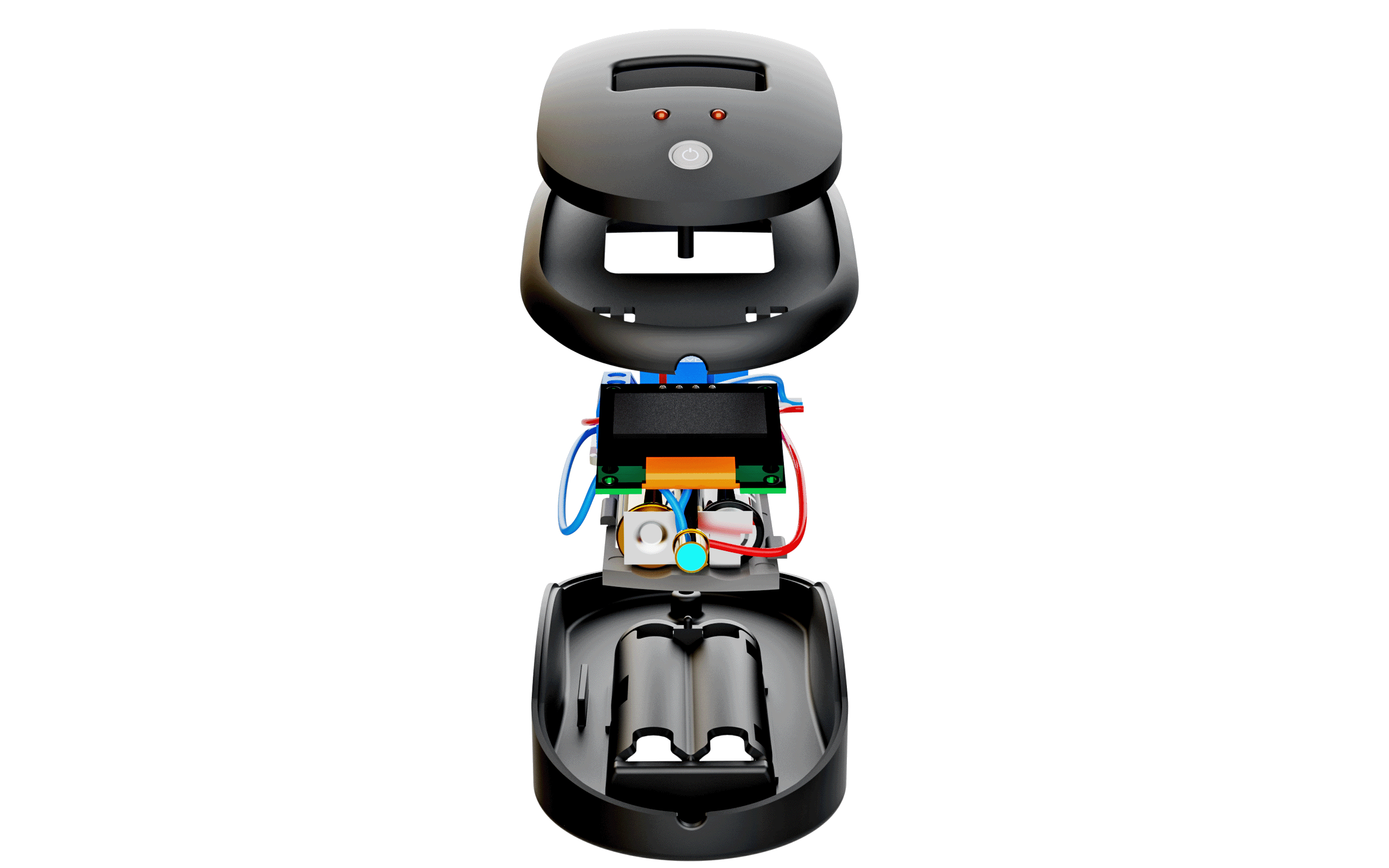
Handheld Uv Sanatizer