Reverse Engineering Services

We believe design is a platform for change, and by using bold, ambitious thinking, we create value by creating opportunity.

OUR REVERSE ENGINEERING SERVICES

Most clients come to us with a part, not a drawing. Sometimes the supplier's gone. Sometimes the file was never there. Here is what we do with it.

Scan+ Measure+  Rebuild+  Refine+  Manufacture+

A worn part on the shelf isn’t a spare. A drawing set is. We work with manufacturers, workshops and product owners across Australia, turning a physical sample into an editable CAD model and a drawing pack a supplier can actually quote.


From physical part to editable CAD.

Most reverse engineering jobs land on our desk because something can’t be bought anymore. The machine still runs, but the part that keeps breaking has no drawing, no supplier, and no file. Somebody measured it once with a ruler and it never fit.


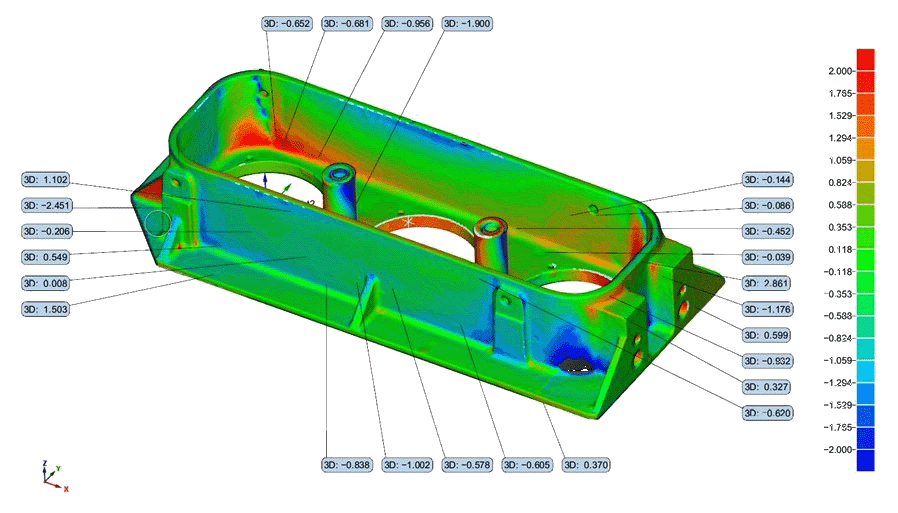
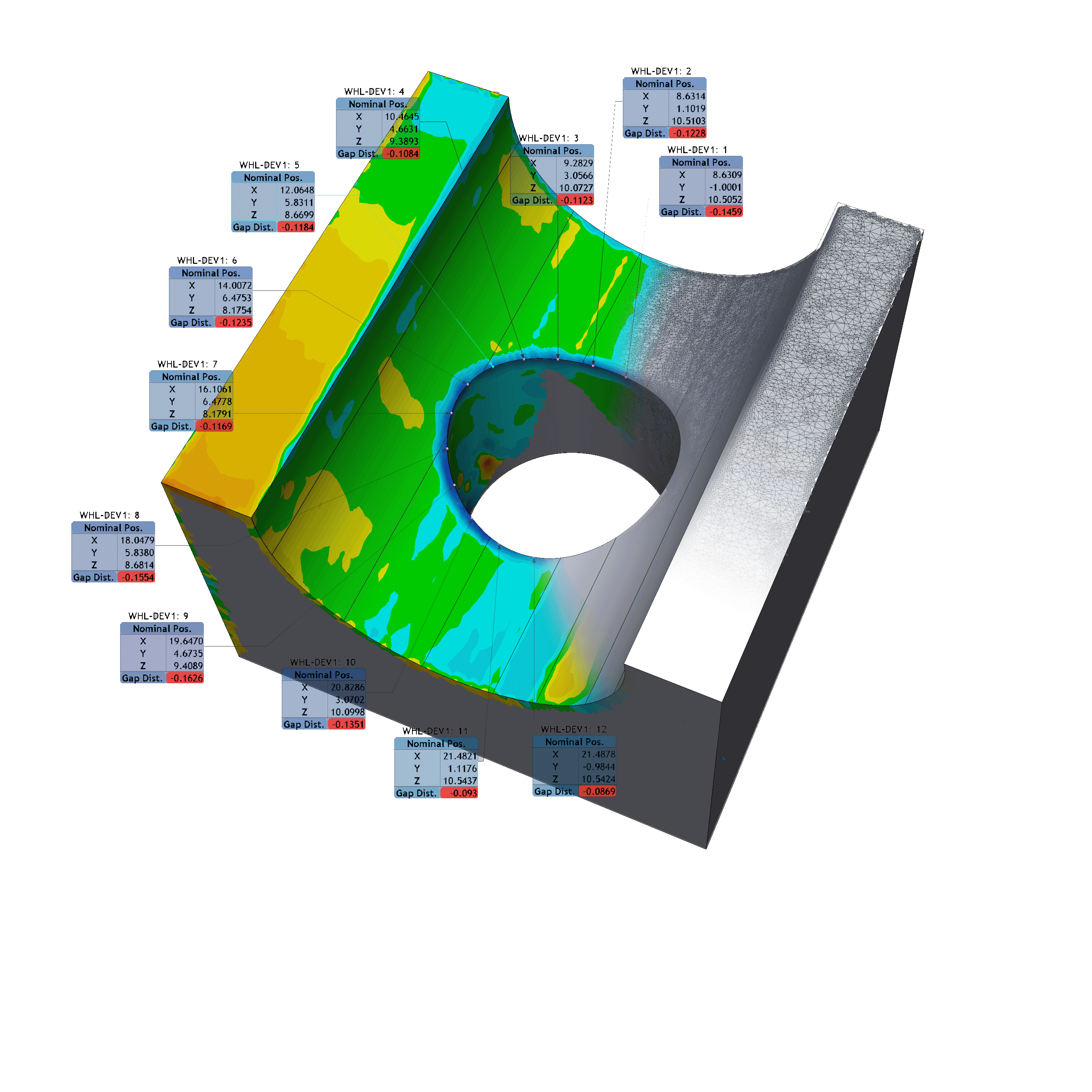
Scanning captures the shape. The engineering is deciding what the shape was supposed to be: which surfaces are functional and which are wear, where the real tolerances sit, and what the part needs to mate with. We rebuild it as a clean parametric model you can edit, quote and improve, not a frozen scan you can’t touch.

WHY CLIENTS
COME BACK

A scan gives you the surface a worn part has now, including the damage. That’s not what you want to remanufacture. We work out what the original geometry was meant to be, so the replacement fits and functions like the part did when it was new.


Every dimension that matters gets checked against how the part mates, loads and moves. The result is a model built on engineering decisions, not a literal copy of a broken component.

A lot of “reverse engineering” ends with a dumb mesh: accurate to look at, impossible to change. That’s a dead end the moment you want to tweak a tolerance or adapt the part.


We deliver a fully parametric CAD model with a proper feature tree. You can change a dimension, update a hole, or hand it to any manufacturer and it behaves like native CAD, because it is.

If a part keeps failing, copying it exactly just reschedules the same failure. Reverse engineering is the cheapest moment to fix the underlying problem.


While the part is on the bench we look at why it wore, whether a better material solves it, and whether two parts can become one. You often get a replacement that outlasts the original for a similar production cost.

Scanning, CAD, drawings and manufacturing support usually get split across separate vendors, and the intent leaks out at every hand-off. The person who scanned the part rarely understands how it’s used.


At Oxta the same team scans, rebuilds and documents the part, and can take it through to a prototype and a production supplier. Nothing gets lost in translation between the bench and the drawing.

I have enjoyed working with Oxta Design! It was a great experience.. the designer had all the skills and his outputs were always great suggestions! Always on time with everything, and really focused on my design! 

Osli Morado

Founder Milam

Reverse Engineering 011

Products we have taken from idea to reality.

Most clients come to us with a problem, not a brief. Some have a sketch. Some have a sentence. Here is what we do with it.

FAQ

Frequently asked questions about reverse engineering

Reverse engineering is the process of measuring an existing physical part and rebuilding it as an editable digital model, usually when the original drawings, files or manufacturer no longer exist. At Oxta we 3D scan the part, work out its true functional geometry, and reconstruct it as a parametric CAD model with production drawings, so you can remanufacture, improve or archive it.

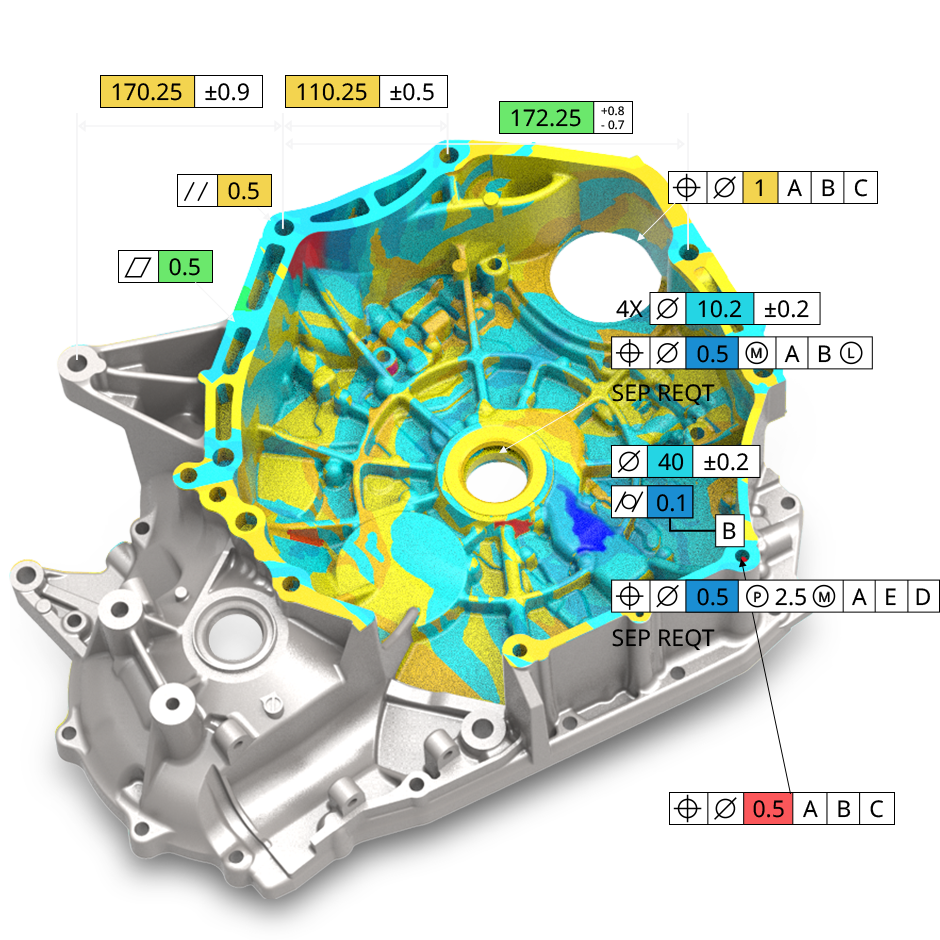
Professional 3D scanning typically captures geometry to within 0.02 to 0.1 mm depending on the part and method. That’s more than enough for most mechanical parts. The accuracy that matters most, though, comes from engineering judgement: deciding which measured surfaces are functional and which are just wear, so the rebuilt model is correct rather than a copy of a damaged part.

Yes. That’s the most common reason clients come to us. We only need the physical part, or even a worn or partial sample. From it we produce a clean, editable CAD model and a full drawing set you can send to any manufacturer.

You get a fully editable, parametric CAD model, not a frozen mesh. We rebuild the part with a proper feature tree in SolidWorks, Fusion 360 or Siemens NX, so any dimension can be changed later and the file works like native CAD for your manufacturer.

Yes. Reverse engineering is the ideal point to fix a recurring problem. We can lightweight the part, switch to a better material, consolidate multiple components into one, or redesign it for cheaper local manufacture, all while keeping the fit and function you need.

We deliver native files plus neutral formats including STEP, IGES, STL, DXF and Parasolid, along with 2D production drawings. That keeps the rebuilt part compatible with virtually any CNC, CAM or manufacturing partner you choose.

We work across mining and resources, agriculture, automotive and motorsport, consumer goods, medical devices and manufacturing tooling. The category matters less than the part: if it’s a physical component that needs a digital model and a drawing set, we can rebuild it.

A single part is often scanned and rebuilt within one to two weeks. Larger assemblies or parts that need redesign and validation take longer. We give you a timeline after seeing the part and understanding how it’s used.

You do. Every scan, model, drawing and document belongs to you once the project is paid. We sign an NDA before any discussion and keep no rights to your parts or files.

Reverse Engineering 14