...

Industrial Product Design & Concept Ideation

We believe design is a platform for change, and by using bold, ambitious thinking, we create value by creating opportunity.
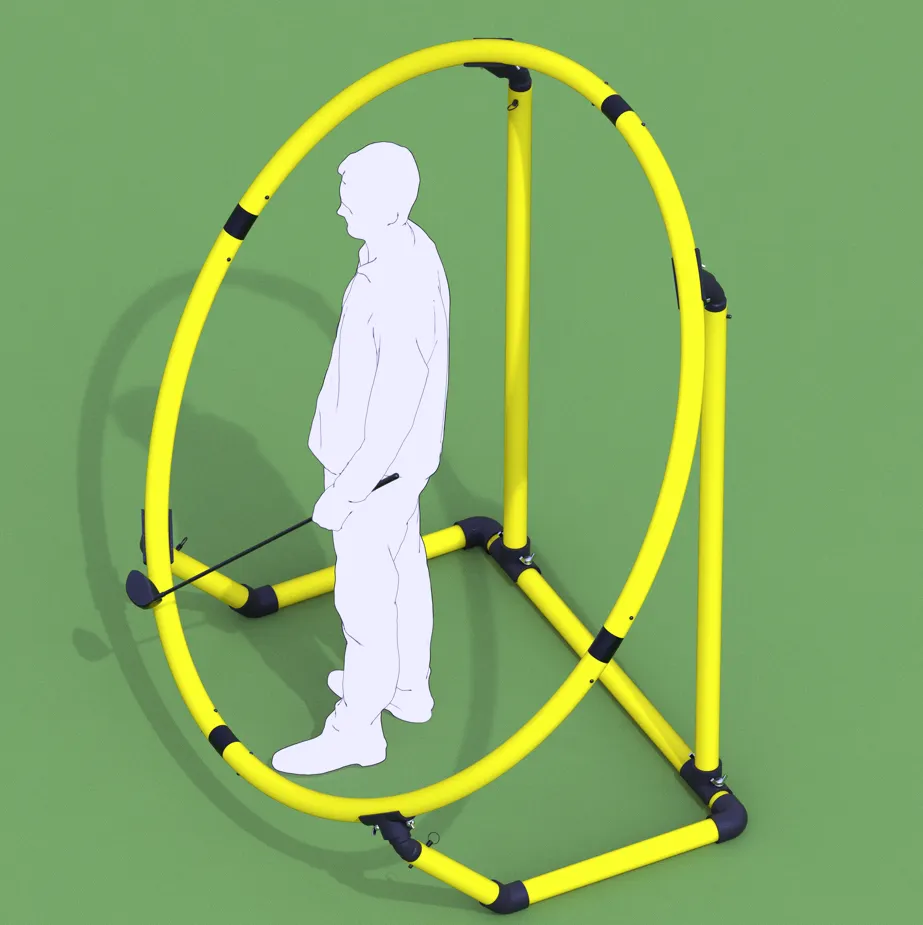
Golf Swing Aid-Linkedin-.15-opt
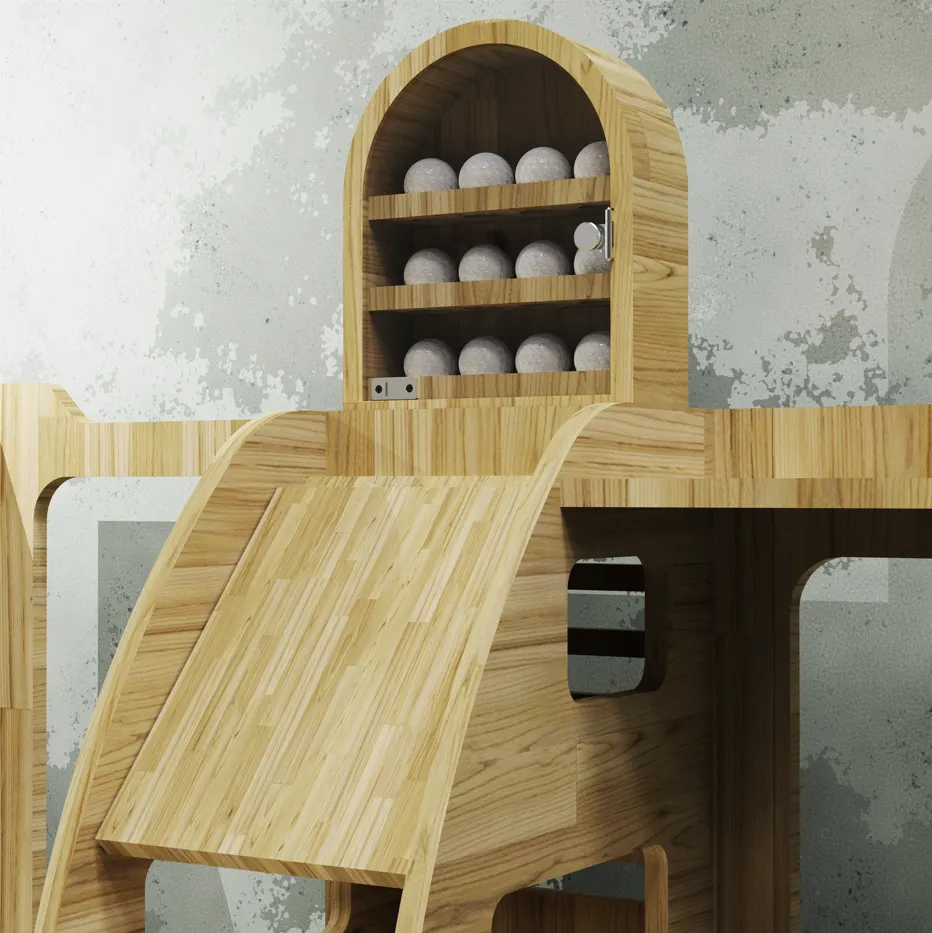
Oxta- Golf Storage Organizer.16-opt
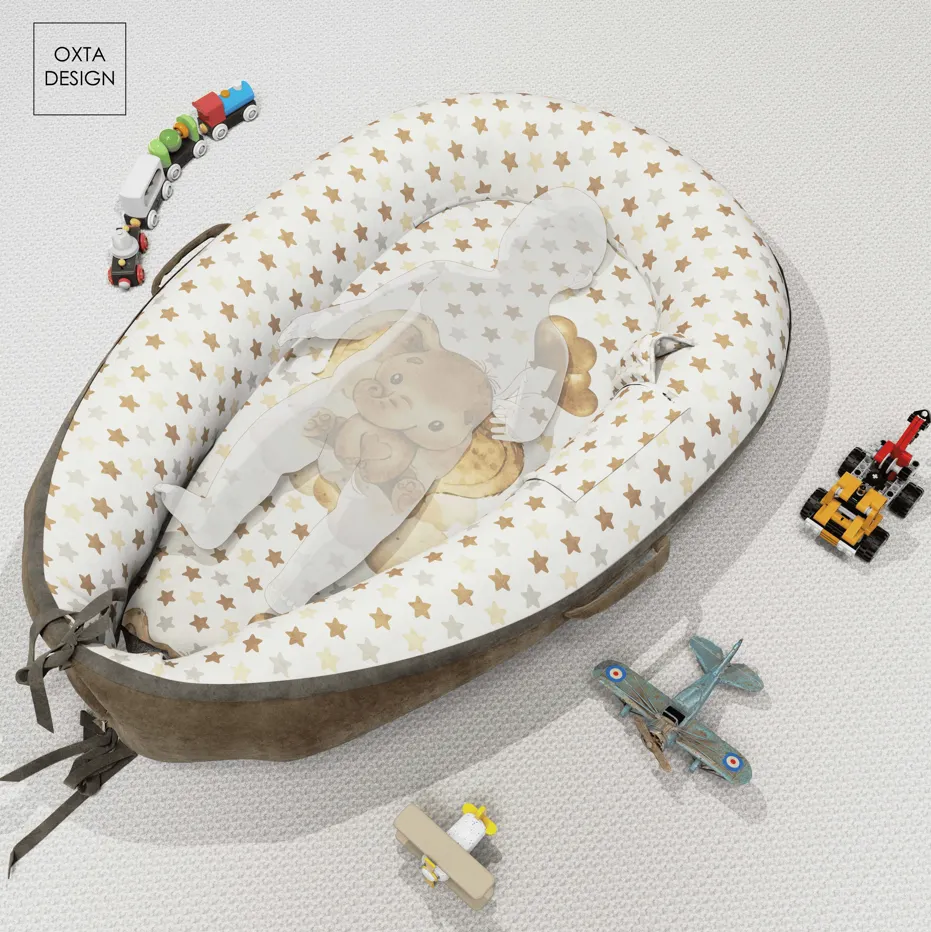
Oxta-Baby Lounger-Potrait.18-opt
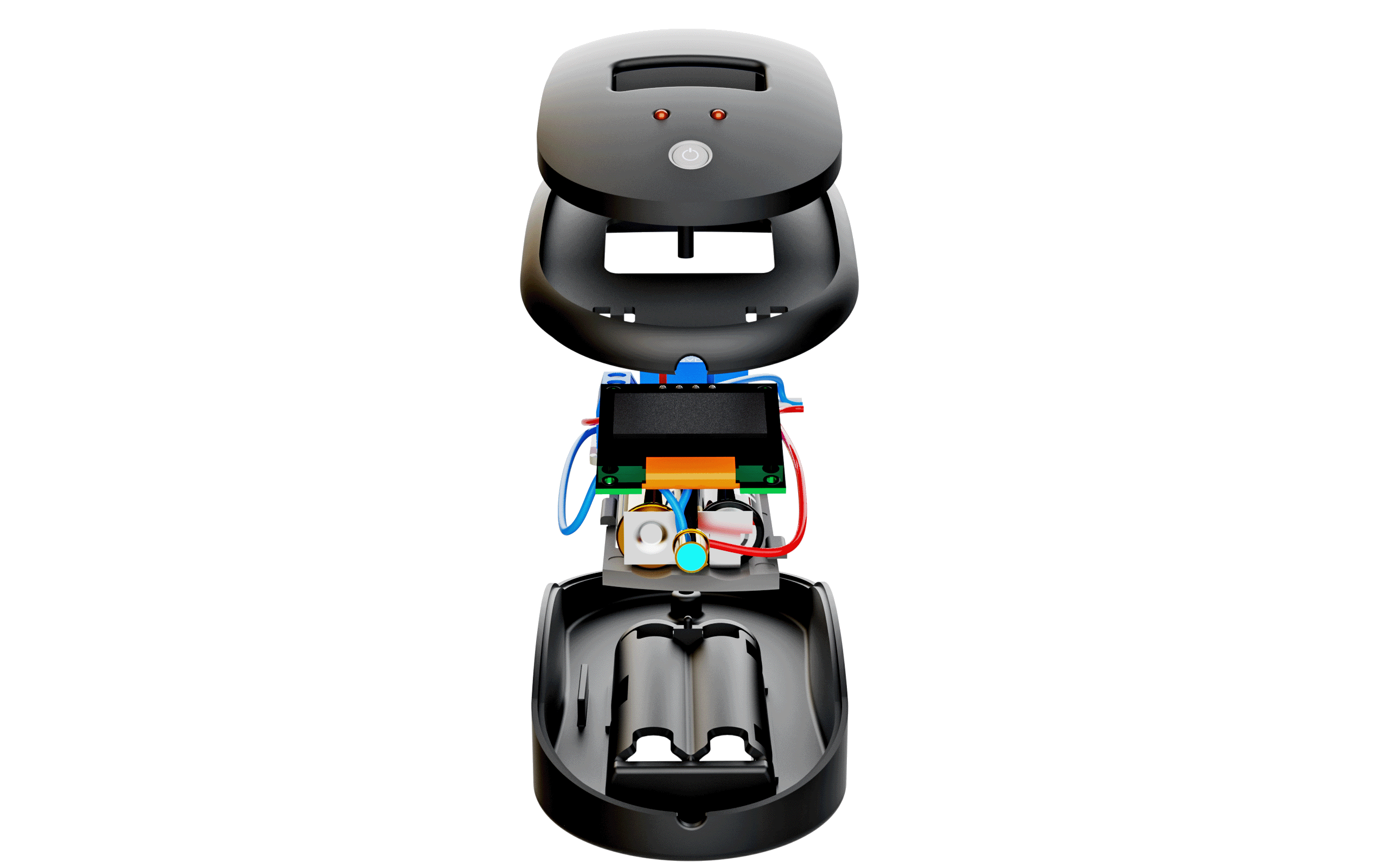
Gridspot-Pcb Enclosure.17-opt
innovative-industrial-design-services-Mechanical
SteamIQ Assembly.19-opt
Venture Bag-O-opt
Oxta-Baby Lounger-Potrait.2-opt-opt
Football Display Case-08-opt
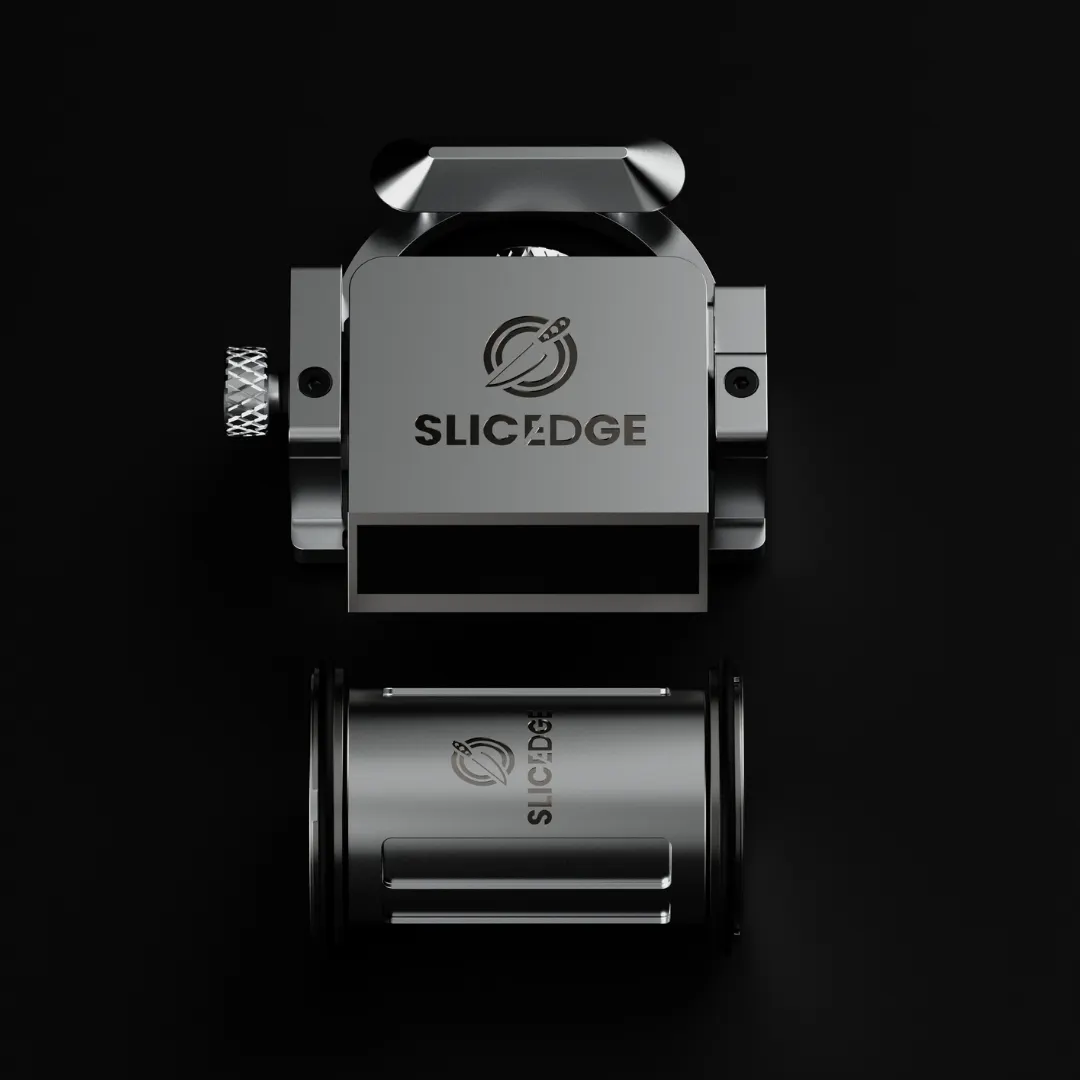
SlicEdge-Here Renders.73-opt

Transforming Concept Design Ideas into Products That Shape the Future

Industrial design shapes how a product looks, how it feels to use, and how it tells the story of the brand behind it. Get it right and the product sells. Get it wrong and it collects dust.

At Oxta Design, our industrial design team includes trained designers and product engineers who understand both the creative and manufacturing sides. We don’t just make things look good. We design products that can actually be built, at a cost that makes business sense, for users who will want them.

We’re based in Sydney and work with clients across Australia, from first-time inventors with a napkin sketch to established brands launching their next product line.

Industrial Product Design

What is Industrial Product Design?

Industrial design is the professional practice of designing mass-produced products. It covers form, function, usability, ergonomics, aesthetics, and material selection: the decisions that define what a product actually is as a physical object in the world.


A good industrial designer thinks about the person using the product, the factory producing it, the brand selling it, and where it ends up. It’s a multidisciplinary skill that needs creative ability, technical knowledge, and commercial judgement in roughly equal parts.


At Oxta Design, we always start by understanding your users and your manufacturing constraints, so the design is grounded in reality from day one.

Dthinking Upd

Our Industrial Design Process

Stage 1: Discovery & Briefing

We run a structured briefing session to work through your product vision, target user, commercial goals, and any constraints around budget, manufacture, or timeline. This becomes our design brief: the document that guides every creative decision that follows.

Stage 2: Research & Analysis

We research comparable products, study user behaviour, analyse competing designs, and map the manufacturing landscape for your product type. This phase makes sure our concepts are actually differentiated, not just variations on what already exists.

Stage 3: Concept Ideation

Our designers generate multiple concept directions through rapid sketching, digital ideation, and 3D concept modelling. We present a range of concepts: divergent enough to give you real choices, focused enough to stay within your brief.

Stage 4: Concept Refinement

Based on your feedback, we develop the preferred direction into a fully resolved industrial
design. This includes detailed 3D visualisations, material and finish recommendations, ergonomic validation, and a design rationale explaining every key decision.

Stage 5: Design for Engineering Handover

The final industrial design is packaged for hand-off to mechanical engineering, with complete 3D reference geometry, CMF (colour, material, finish) specifications, and design intent documentation. If Oxta is handling your engineering as well, this hand-off is internal and seamless.

What's Included in Our Industrial Design Service

• Structured discovery and design brief
• User research and competitive product analysis
• Concept sketching and digital ideation (multiple directions)
• 3D concept visualisation (KeyShot / Rhino / SolidWorks)
• CMF (colour, material, finish) selection and specification
• Ergonomic analysis and human factors assessment
• Design refinement and client presentation
• Design-for-engineering handover pack
• Photorealistic renders of final concept (for marketing or investor use)

Design for Manufacture

Industries We Design For

Our industrial design team has worked across a broad range of product categories:

Consumer electronics: enclosures, handheld devices, wearables

Sports and outdoor products: equipment, accessories, protective gear

Medical and health products: patient-facing devices, wellness products

Furniture and homewares: functional and decorative products

•Infant and childcare products: safety-critical consumer goods

•Industrial and commercial equipment: tools, instruments, enclosures

•Packaging: structural and visual packaging for retail and e-commerce

Where We Work

Our core studio is based in Sydney, and we work with clients across Melbourne, Brisbane, Perth, Adelaide, and regional Australia. Whether it’s a face-to-face workshop or a fully remote project, we’ve successfully collaborated with startups, SMEs, and enterprise clients across industries.

  • umbrella, About
  • About,
  • Vector 4
  • Vector 3
  • Vector 2
  • Vector 1
  • Vector

Why Us ?

Most product businesses end up juggling three or four different agencies: an industrial design firm here, an engineering firm there, a renderer somewhere else. Every hand-off is a risk. Scope gaps open up. Communication breaks down. Designs that looked fine in isolation fail when someone tries to integrate them.

At Oxta Design, every discipline sits under one roof. Your industrial designer and your mechanical engineer talk to each other every day. Your electronics are designed alongside your enclosure. Your DFM review happens before you commit to tooling, not after.

The result is a more coherent product and a development process that doesn't keep surprising you with problems.

Services

01. Collaborate

Your brief is the starting point. We want to understand the product you have in mind, who it is for, what it has to do, what it cannot cost to make, and where the hard constraints are.

From the first call, you will speak directly with the engineer or designer leading your project. No account managers, no relayed briefs. We ask a lot of questions before we commit to any direction, because the brief is the most important document in a product development project.

Reverse Engineering, Rapid Prototyping, Packaging Design, Digital Design,

02. Immerse

Before we put pen to paper, we research the market your product sits in. That means looking at how competitors have approached the same problem, where they have fallen short, what users are actually asking for, and what manufacturing constraints will apply to this category.

For new product categories or complex technical problems, this stage also involves benchmarking components, materials, and manufacturing processes to make sure our design decisions are grounded in what is actually achievable.

Idea

03. Create

This is concept development. We produce multiple design directions, not one. Each direction comes with sketches, early 3D visualisations, and a clear rationale explaining the trade-offs: what each direction gets right, what it costs, and what it gives up.

You review, we discuss, you choose a direction to develop. Nothing moves forward to CAD without your sign-off.

Filter

04. Refine

The chosen concept gets built into detailed engineering CAD. We model every component, every interface, every assembly. Wall thicknesses are checked for the manufacturing process. Snap-fits and fasteners are designed to spec. Tolerances are set for production, not just for prototyping.

This is also the stage where FEA simulation, DFM review, and CMF (colour, material, finish) decisions get resolved. Problems found here cost an afternoon of engineer time. The same problems found after tooling cost far more.

Delivered

05. Deliver

When the CAD is signed off and the design is manufacture-ready, we prepare a full production package: detailed drawings, BOM, material specifications, and supplier-ready files. We work with Australian and international manufacturers depending on volume, cost targets, and lead time requirements.

We stay involved through tooling, first article inspection, and initial production runs. You get the product in hand, not just the files.

Technical Support (1)

Support

Once your product is in production, we stay available. That might mean design updates based on early customer feedback, cost-reduction changes before a second production run, or tooling modifications to fix a manufacturing issue.

Product development does not end at launch. Markets shift, costs change, and products need iteration. We handle that alongside you.

Portfolio

Take a look at our portfolio to see how we’ve helped businesses across various industries transform their digital presence. Each project is a testament to our commitment to creativity, quality, and innovation.

FAQ

Industrial Design FAQs

How much does industrial design cost in Australia?

Industrial design project costs vary based on scope and complexity. A focused concept ideation phase (sketching through to 3D visualisation of one direction) typically starts from $3,000–$8,000. A full industrial design engagement covering multiple concept directions, refinement, and engineering handover package is typically $8,000–$25,000+. We provide fixed-price quotes after an initial briefing. See our pricing page for indicative ranges.
How long does the industrial design process take?
A concept ideation phase runs approximately 3–6 weeks. A full industrial design engagement from brief to final resolved concept typically runs 6–12 weeks, depending on the number of revision rounds and the complexity of the product.
Do I need a prototype before you can start industrial design?
No. Most clients come to us with an idea and perhaps a rough sketch or description. You don't need any physical prototype, CAD model, or technical documentation to start the industrial design process.
What software do you use for industrial design?
Our team uses industry-standard tools including Rhino, SolidWorks, KeyShot, and Adobe Creative Suite for concept development and visualisation.
Can you help me protect my design legally?
We sign NDAs before every project. On design protection, we recommend engaging a registered patent and trade marks attorney (we can refer you to trusted Australian practitioners) to register your design after the concept is finalised. Design registration in Australia is handled through IP Australia.
Ready to Bring Your Product Idea to Life?
Book a free 30-minute consultation with our industrial design team. We'll discuss your idea, give you honest feedback, and outline what a design engagement would look like for your project. No commitment required.
Seraphinite AcceleratorOptimized by Seraphinite Accelerator
Turns on site high speed to be attractive for people and search engines.