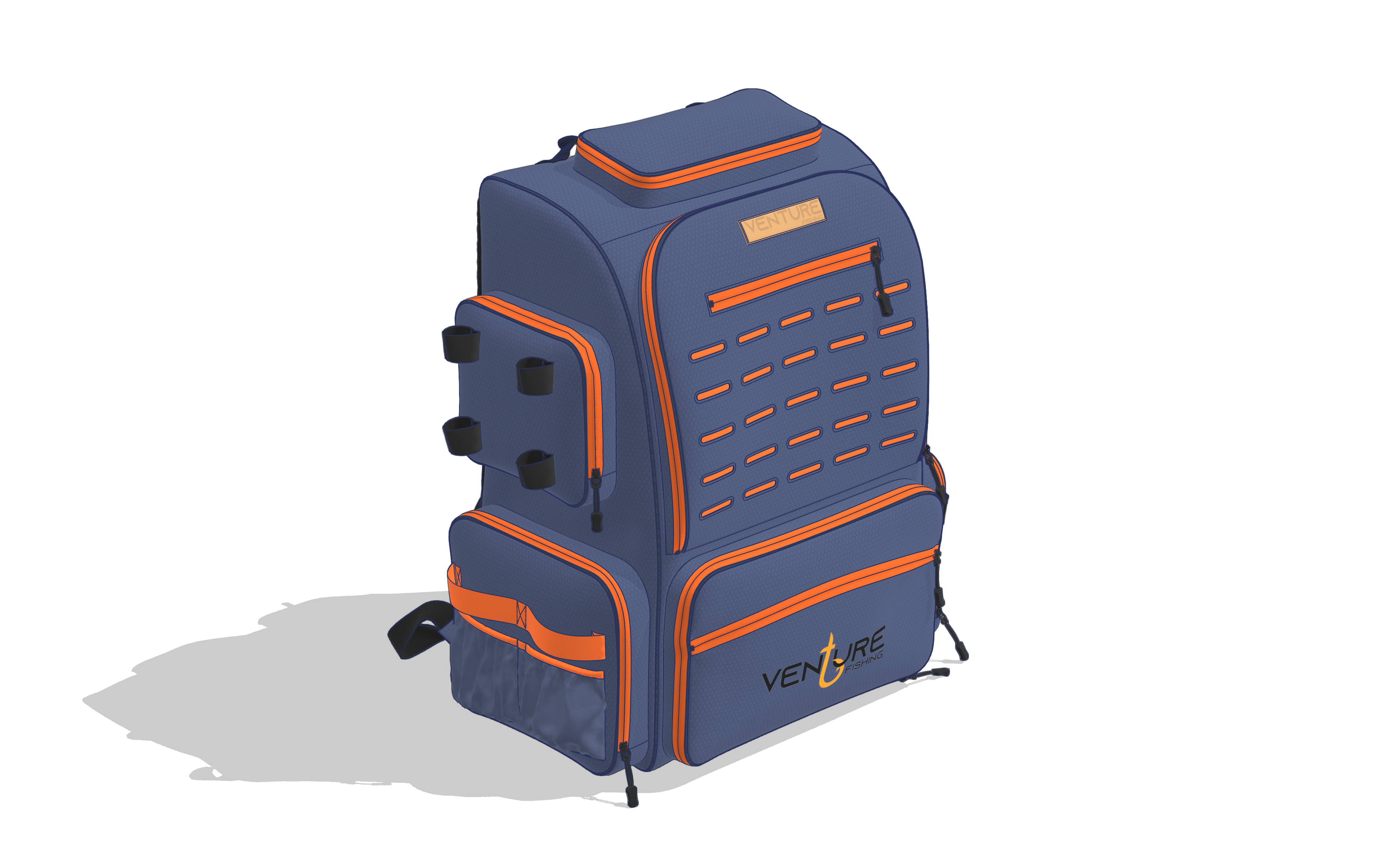
Soft Goods Design
We believe design is a platform for change, and by using bold, ambitious thinking, we create value by creating opportunity.
OUR SOFT GOODS DESIGN SERVICES
Most clients come to us with a product idea and a fabric in mind. Some have a sample. Some have a sketch. Here is what we turn it into.
Concept+ Pattern+ Simulate+ Sample+ Handover+
A fabric idea isn’t a product. A tech pack is. We work with founders and brands across Australia to take a soft goods concept from sketch to a factory-ready specification, testing the fit and construction digitally before a single sample is cut.
From fabric idea to a factory-ready spec.
Soft goods go wrong in a place hard products don’t: the material moves. A panel that looks right flat behaves differently once it’s sewn, stuffed and worn. Guess wrong and you burn weeks and money on samples that come back not quite right.
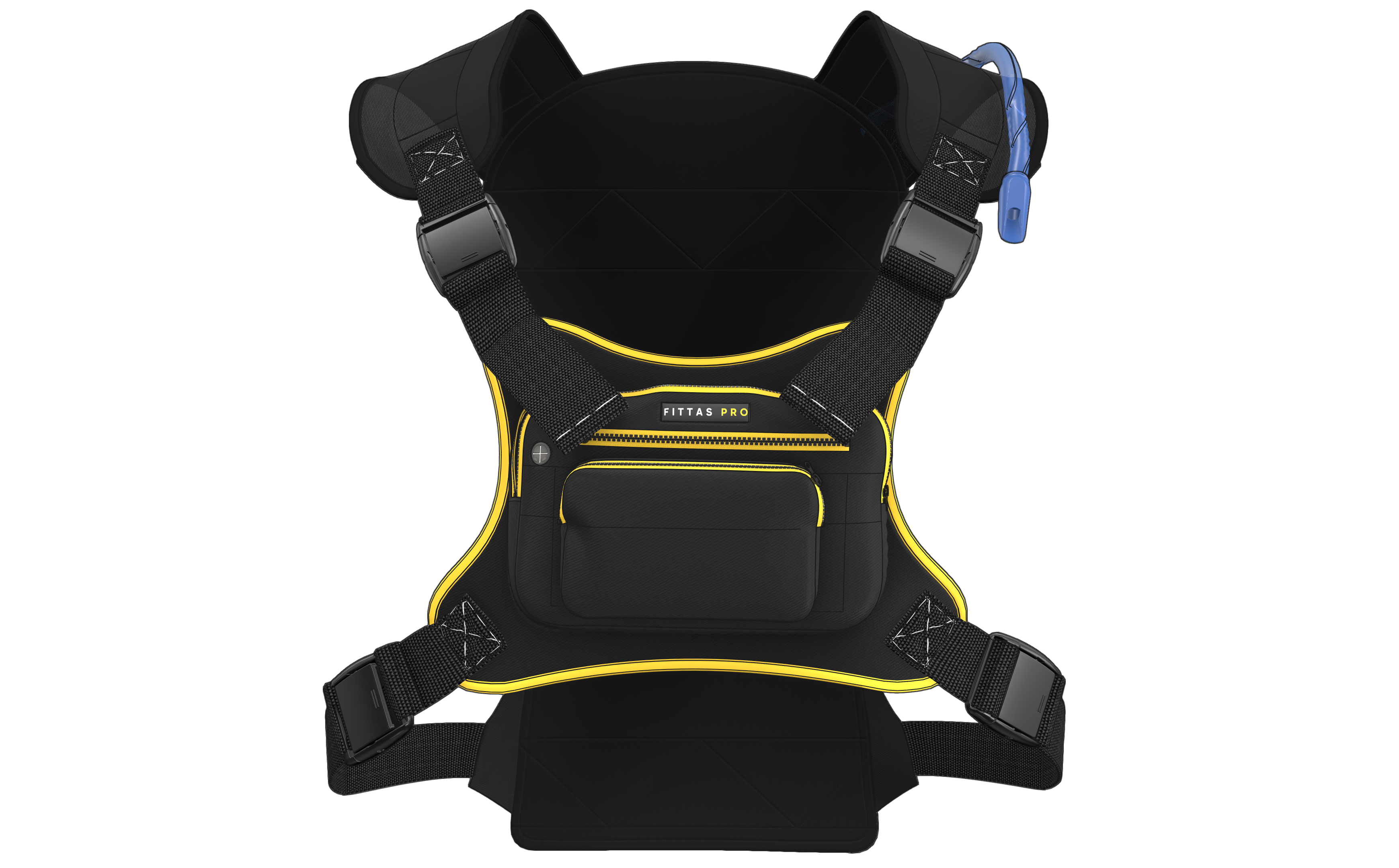
We design and pattern in CLO 3D, which simulates how real fabric drapes, stretches and folds. That means we can test fit, seams and construction on screen and fix the problems before cutting anything. What the factory receives is a resolved pattern and a tech pack, not a hopeful sketch and a prayer.
WHY CLIENTS
COME BACK
We test the fabric before we cut it.
Flat patterns hide problems. A seam that puckers, a panel that bunches, a strap that twists under load: none of it shows until it’s sewn, and by then the sample is spent.
We simulate the real material in CLO 3D so those issues surface on screen, where fixing them is free. You spend your sample budget confirming a design that already works instead of discovering everything that doesn’t.
We design soft goods like engineers.
A bag or a wearable is a structure. It carries load, takes wear, and has to survive being stuffed, dropped and used badly. Treating it as just a shape is how straps tear out and zips fail.
We plan the stress points, reinforcement and construction the way we’d engineer a hard product, so the thing holds up in real use, not just on the model.
We hand the factory a real spec.
Most sampling rounds go wrong because the factory was guessing. A vague sketch leaves every construction decision to someone who’s never spoken to you.
We deliver a proper tech pack: patterns, materials, hardware, stitch and construction detail, and a bill of materials. The factory builds what you designed, so you get closer to right on the first sample instead of the fourth.
One team from concept to sample.
When design, patterning and production advice come from different people, intent leaks at every hand-off, and soft goods are unforgiving about it.
At Oxta the concept, the CLO 3D patterns and the tech pack come from one team that also understands manufacturing. The design that reaches your sewer is coherent, and it’s built to be made.
Francisco Carvajal
Private Inventor
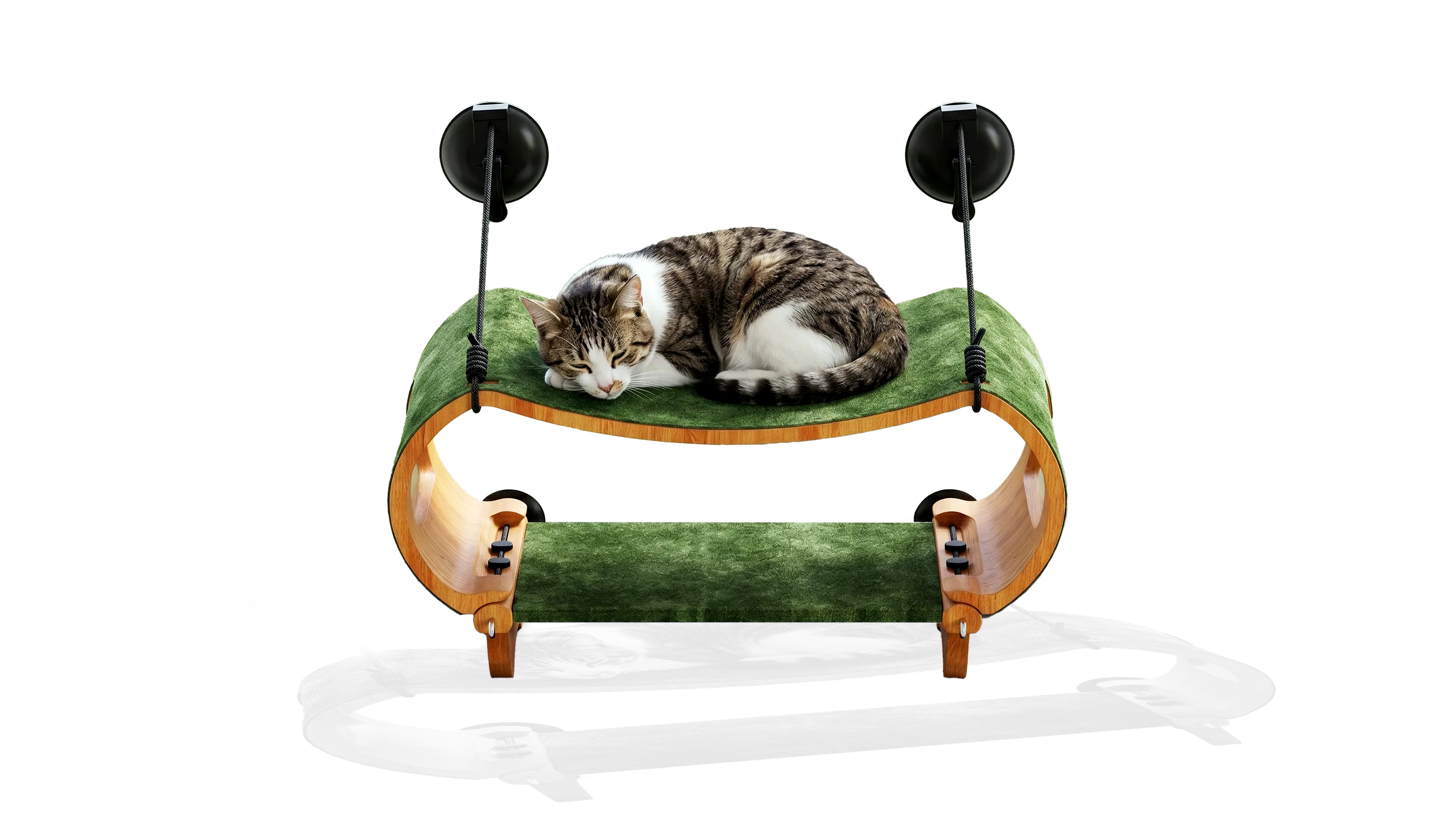
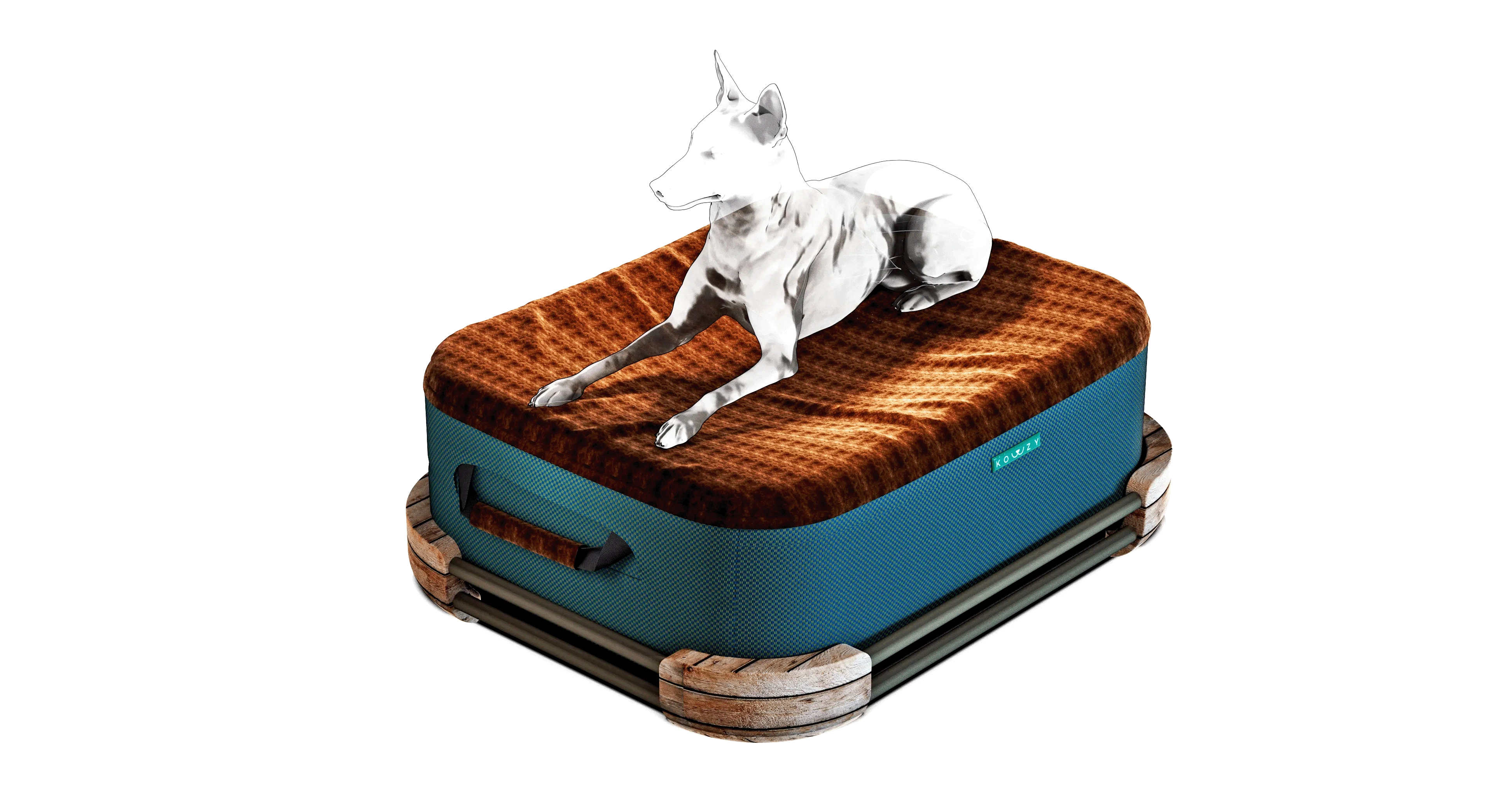
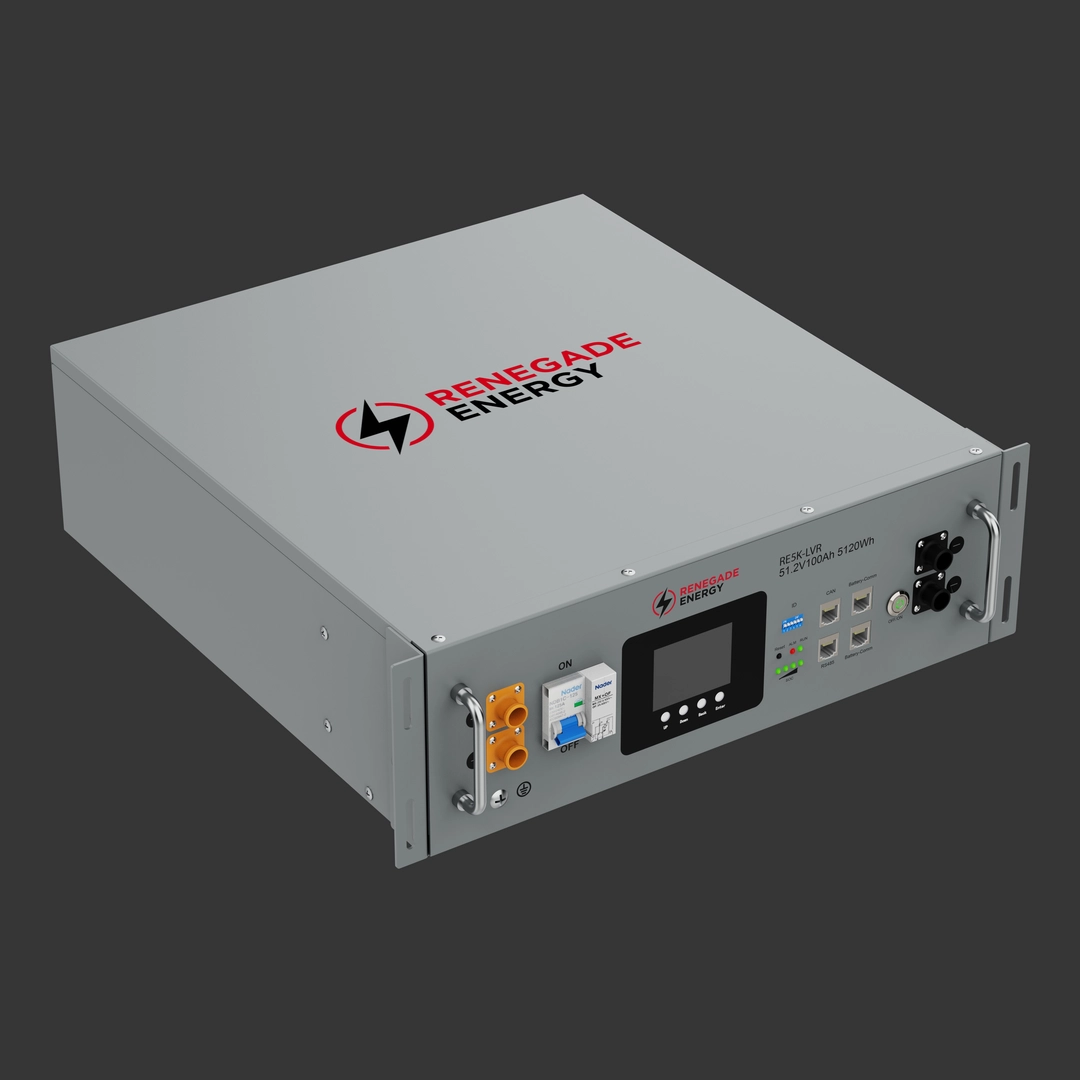
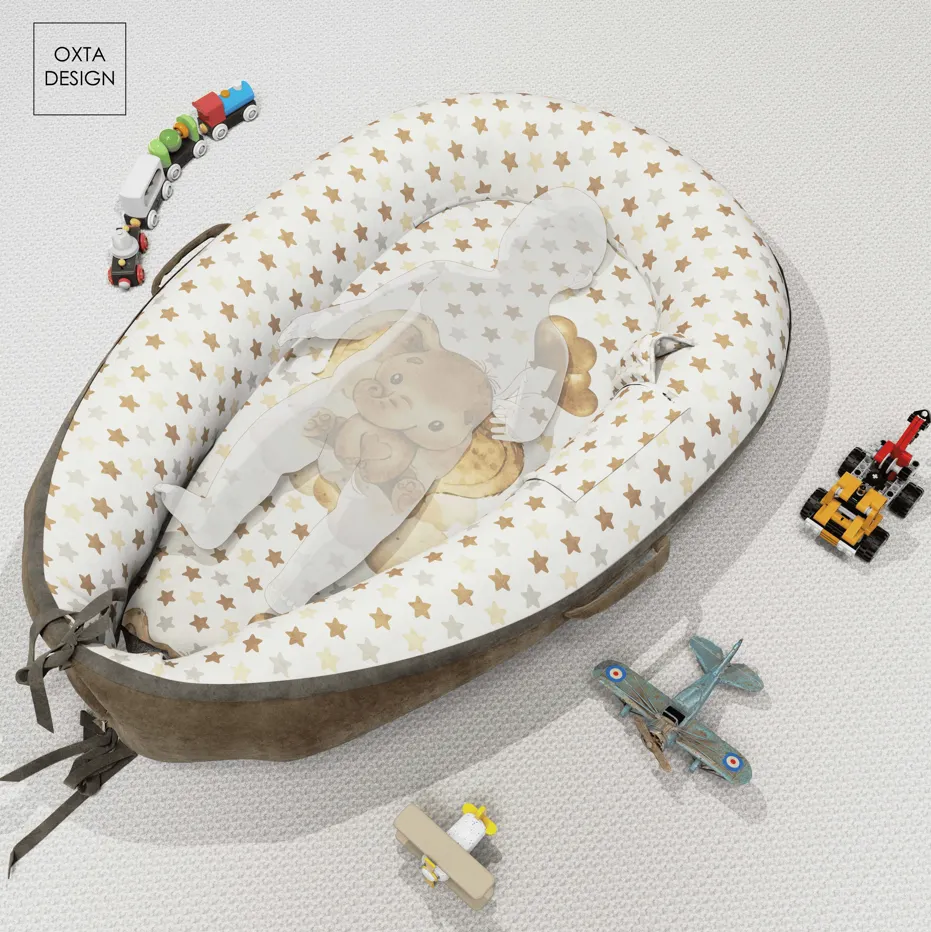
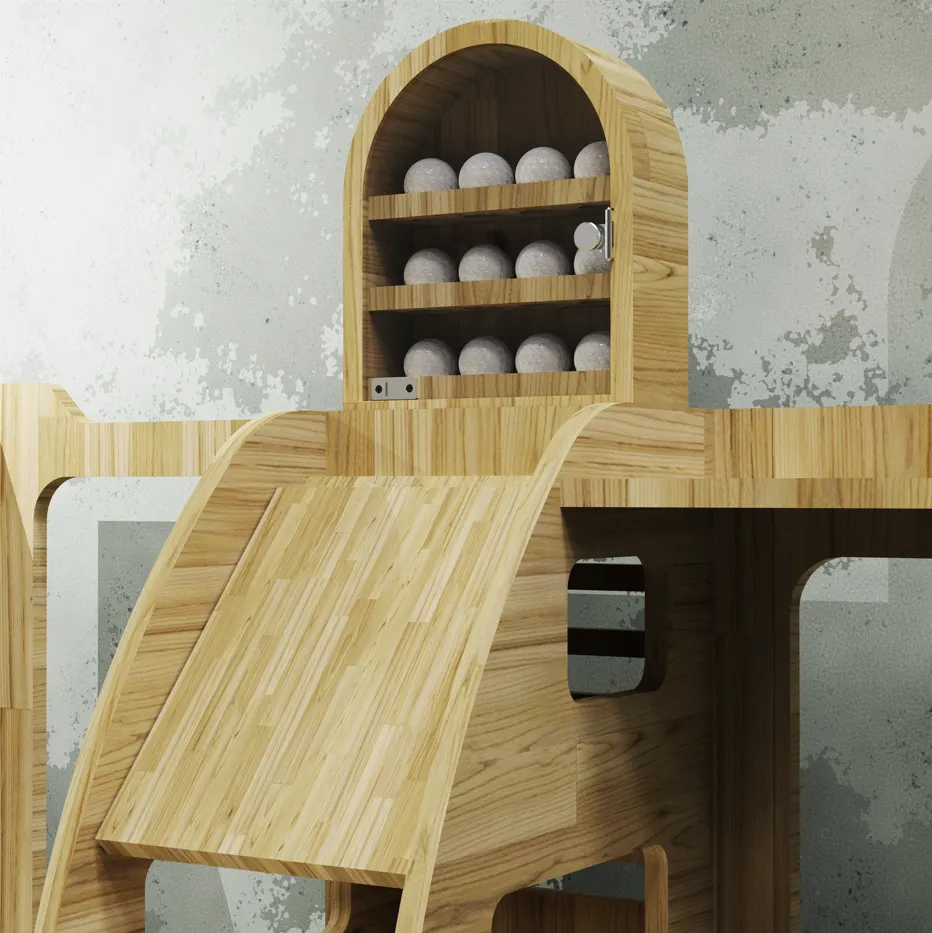
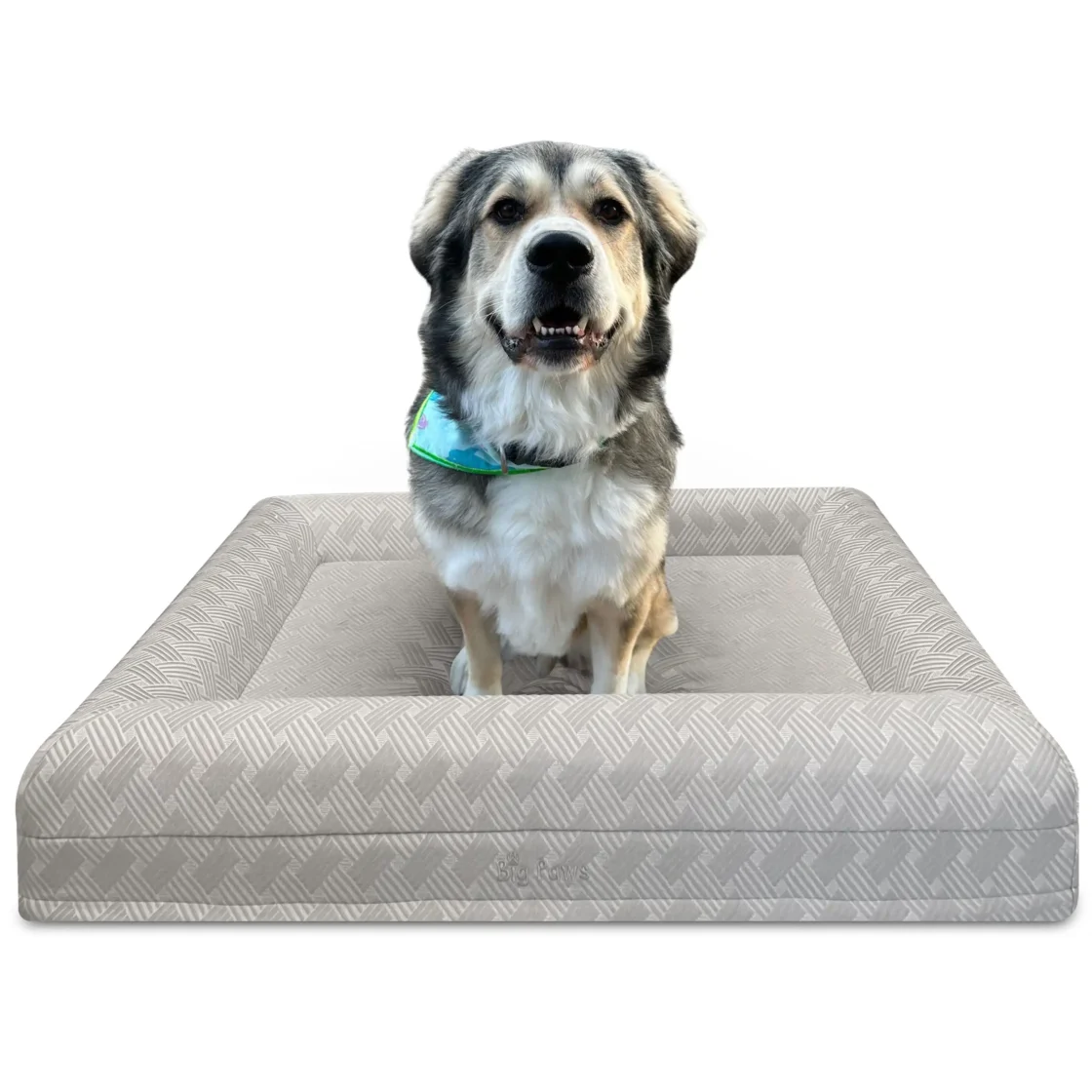
Products we have taken from idea to reality.
Most clients come to us with a problem, not a brief. Some have a sketch. Some have a sentence. Here is what we do with it.
What is soft goods design?
Soft goods design is the design and development of products made from flexible materials like fabric, foam, webbing and leather, such as bags, cases, wearables, protective gear and other sewn products. At Oxta it covers the full path from concept and 3D pattern making to a factory-ready tech pack, so a fabric idea becomes something a manufacturer can actually sew.
What is CLO 3D and why does it matter for soft goods?
CLO 3D is design software that simulates how real fabric behaves, including how it drapes, stretches and folds. It matters because soft goods change shape once they’re sewn and used, and CLO lets us test fit, seams and construction digitally before cutting any material. That catches problems early and cuts down expensive sampling rounds.
What types of products do you design?
Textiles, Fabrics , Bags, backpacks, cases and covers, wearables and accessories, protective and technical gear, and other sewn or upholstered products. If it’s made mainly from flexible materials and needs to be patterned and manufactured, it’s soft goods work we can take on.
Do you provide tech packs for manufacturing?
Yes. Every project can be delivered as a complete tech pack: patterns, a bill of materials for fabrics, trims and hardware, construction and stitch details, and size grading. It’s the document your manufacturer needs to sample and produce the product accurately.
Can you help find a manufacturer for my soft goods product?
Yes. We can introduce soft goods manufacturers, both in Australia and offshore, and we prepare your documentation so they can quote and sample from a clear, complete spec rather than a rough brief.
How is soft goods design different from hard product design?
The core difference is that the material moves. Hard products hold their geometry; soft goods change shape when sewn, filled and used, so patterning, drape and construction drive the design. We apply the same engineering discipline to stress points and durability, but the tools and thinking are built around flexible materials.
Do I need a sample or sketch to start?
No. Most clients start with an idea and a rough sketch or a reference product. You don’t need an existing sample or pattern. If you do have a sample you want improved, we can work from that too.
How long does a soft goods design project take?
A focused concept-to-tech-pack project typically runs a few weeks, depending on complexity, size range and revision rounds. Testing the design in CLO 3D up front usually shortens the overall timeline by reducing physical sampling. We set a timeline at kickoff.
Who owns the designs and patterns?
You do. Every pattern, tech pack and file belongs to you once the project is paid. We sign an NDA before any discussion begins and keep no rights to your product.